
Percussion Specialist Academy
Percussion Specialist Academy
At The Sweetwater Director Academy
Design Smarter Shows. Master Live Sound.
The Percussion Specialist Academy (PSA) is an immersive, week-long professional development experience designed for adult percussion instructors—from emerging educators to seasoned teachers who are ready to move from good to great.
Learn the design process and sound design secrets of DCI/WGI champions. Take home a finished cue, electronics template and judge feedback.
Part of the Bands of America Summer Camp, the PSA stands on its own as a premier destination for instructors who want world-class training, meaningful community, and unforgettable inspiration.
June 21-26, 2027
Ball State University, Muncie, IN
What Everyone Experiences
Evening Concerts and Performances
One of the best parts of Percussion Specialist Academy? You’re part of the larger Bands of America Summer Camp experience! Each evening, attend the nightly concert series featuring top touring artists and groups performing everything from rock and jazz to classical and contemporary. End the week with an incredible drum corps show at the stadium—the perfect reminder of why you do what you do.
Connect With the Legends
Spend your week immersed in a community of championship designers, active judges, and passionate educators. Daily “Design Deep Dives” put you in the room with faculty who’ve written for and judged the most successful programs in DCI, WGI, and Bands of America. Ask questions during office hours, get feedback on your real-world design challenges, and build relationships with mentors who understand the demands of modern percussion performance.
North Dining: Your Campus Food Hub
Craving variety? North Dining at Ball State has it all. From Starbucks to Chick-fil-A, custom allergen-free meals, BBQ, an all-day breakfast bar, fresh pastries, and even a waffle station! Whether you’re grabbing a quick coffee before morning sessions or fueling up for an evening of electronics work, explore endless options for every taste and dietary need.
Modern Living on Campus
Located in the lively north neighborhood, our residence halls offer state-of-the-art amenities and a prime spot near North Dining. You’ll have all the comforts of home with campus essentials just steps away. These are definitely not your students’ dorm rooms—professional accommodations designed for adult learners who need comfort and convenience while focusing on their craft.
The Professional Development You’ve Been Looking For
This isn’t your typical conference workshop. PSA is an intensive, hands-on experience where you’ll create real work, receive expert critique, and learn from active designers who are shaping the future of marching percussion. Whether you’re a high school director looking to elevate your program, a freelance arranger building your portfolio, or a college educator staying current with modern techniques, this week will transform how you approach percussion design.
A Day at Percussion Specialist Academy
Immerse yourself in world-class design education tailored for educators, arrangers, and sound designers.
Battery Writing Workshop
Dissect championship battery writing and learn how to craft phrase charts that flow naturally, build dynamic contour, and avoid “wall of notes” penalties. Analyze real scores from championship programs, then write your own phrases with personalized feedback from faculty who’ve shaped modern marching percussion.
Front Ensemble Orchestration
Master the art of creating harmonic color and tasteful mallet writing with Clif Walker. Study Carolina Crown Percussion’s approach to voicing, texture layering, and musical storytelling. Learn which orchestration supports the brass, when to add rhythmic complexity, and how to orchestrate for both indoor intimacy and outdoor projection.
Live Sound & Electronics Production
Build a complete show patch from scratch using MainStage, Ableton, or your DAW of choice. Learn mic placement techniques for front ensemble, implement proper gain staging, and master the art of mixing for both judges and audience. Explore AI narration tools like ElevenLabs, design sound effects that elevate GE, and troubleshoot real-world audio problems in a hands-on lab environment.
Championship Show Analysis
Go behind the curtain with John Mapes and faculty as they break down actual championship shows. Open real session files from Pulse Percussion, Mandarins Percussion, and Chino Hills High School. See how designers layer electronics, pace GE moments, and respond to judge feedback. Learn the decisions—and the corrections—that separate good shows from legendary ones. Learn how to collaborate with drill designers, create moments that enhance the visual program, and design for holistic moments.
Judge Panel Feedback Sessions
Present your work to Matthew Black, Clif Walker, and Tony Lymon—the same judges who evaluate shows at BOA and WGI regionals and championships. Get specific, actionable feedback on your writing, orchestration choices, and electronics design. Understand what judges are listening for and learn how to address common scoring pitfalls before you ever step on the field.
Visual Coordination Integration
Short daily sessions on coordinating visual design with your percussion writing. Learn how to collaborate with drill designers, create moments that enhance the visual program, and design for camera angles at championships. Understand the relationship between battery staging and front ensemble placement for maximum impact.
Your Personal Portfolio
Throughout the week, you’ll create tangible materials you can use immediately: a fully scored and mixed 60-second show excerpt, a professional electronics template with your custom patch rack, detailed judge feedback on your designs, and networking connections with championship-winning designers who understand your challenges.
Why Choose Percussion Specialist Academy?
Championship-Winning Expertise
Learn from the designers and judges who’ve shaped modern percussion performance. Our faculty includes championship winners from DCI, WGI, and Bands of America who don’t just teach theory—they share the real-world decisions and creative processes behind championship-caliber design. You’re learning from the architects of today’s most successful programs.
Direct Judge Feedback
Unlike other professional development opportunities, PSA gives you direct access to active BOA and WGI judges. Matthew Black, Clif Walker, and Tony Lymon will critique your work using the same rubrics they use at regionals and championships. You’ll understand exactly what judges are listening for, learn how to address common caption weaknesses, and discover how to maximize your scores before you ever set foot on the competitive floor.
Real Session Files & Industry Tools
This isn’t just demonstration—it’s hands-on work with actual championship show files. Open sessions from Pulse Percussion, Mandarins Percussion, and Chino Hills High School to see how professionals structure their projects, layer sounds, and solve design challenges. Learn the same software workflows (MainStage, Ableton, Pro Tools, ElevenLabs) used by championship groups, and leave with templates you can use immediately.
The Creative Community Factor
PSA isn’t just about skills—it’s about connection. Spend a week surrounded by fellow educators, arrangers, and sound designers who understand your creative challenges. Collaborate on design problems, share solutions, and build relationships with colleagues who will become your professional network. From daily design sessions to evening concerts, every moment is an opportunity to learn from and inspire your peers.
Take Home What You Create
You won’t leave empty-handed. By the end of the week, you’ll have: a full-fledged marching percussion curriculum tailored to your program’s needs, a custom electronics template with show-ready patch racks, detailed feedback from judges on your specific designs, and proven techniques you can implement with your students the moment you return home.
NEW: Live Sound, AI Narration & Vocal Design
- Patch racks from scratch: Use MainStage/Ableton/Kontakt to build a reliable playback rig
- Mic’ing and balancing: Learn microphone placement and mixing for front ensembles; troubleshoot feedback and connectivity
- Tasteful FX & narration: Design sound effects that elevate GE; explore AI-based voice tools like ElevenLabs
- Mixing for judges vs audience: Master frequency adjustments, panning, compression and level management
- Problem-solving & troubleshooting: Diagnose audio issues quickly and implement solutions during live shows
- Real show files: Open actual sessions from Pulse, Rhythm X and Blue Knights to see how top designers work
Technical Skills You'll Master: Real-World Example
Scenario: Feature Clarinet Soloist in Your Ballad
Your soloist sounds thin and gets lost in the mix during the emotional peak of your show.
Here’s how we’ll fix it:
- Step 1: Clean Foundation
Apply a high-pass filter at 80-100 Hz to remove low-end rumble from handling noise and stage bleed. This clears space for your bass drums and keeps the mix clean without muddying the clarinet’s natural register. - Step 2: Add Body and Warmth
Boost 200-400 Hz by 2-3 dB to add chest and body to the clarinet’s tone. This makes the soloist sound fuller and more present without becoming honky. Use a gentle bell curve (Q of 1.5-2.0) to keep it natural. - Step 3: Control the Nasality
Make a narrow cut at 800-1000 Hz (Q of 3-4) to reduce any nasal or “honky” quality. Sweep through this range while listening—you’ll hear the sweet spot where the tone opens up and becomes more musical. - Step 4: Bring Forward the Presence
Boost 2-3 kHz by 2-4 dB to bring the clarinet forward in the mix. This is where the “speaking” quality lives—it helps the soloist cut through the brass and pit without sounding harsh. This is your “cut through the field” frequency. - Step 5: Add Air and Sparkle
Apply a gentle high-shelf boost at 8-10 kHz (+1 to +2 dB) to add air, brilliance, and that “expensive microphone” quality. This helps the soloist shimmer above the ensemble without sounding brittle. - Step 6: Add Reverb for Context
Send 15-25% of the clarinet signal to a hall reverb (1.8-2.5 second decay). Pre-delay the reverb by 20-30ms to keep the initial attack clear and punchy, while the reverb tail adds emotional depth and places the soloist in a beautiful sonic space. Use a darker reverb (roll off above 8 kHz) so it doesn’t compete with the natural air of the instrument. - Step 7: Gentle Compression
Apply a 3:1 ratio compressor with a threshold set to catch the peaks. Use a slow attack (20-30ms) to preserve the natural breath and articulation, and a medium release (100-200ms) to smooth out dynamic variations. Aim for 3-4 dB of gain reduction on the loudest notes. Add 2-3 dB of makeup gain to bring the soloist up confidently in the mix.
The Result
A clarinet soloist that sounds warm, present, and emotionally connected—cutting through the ensemble with clarity while sitting naturally in the overall mix. The judges hear every nuance, and the audience feels every phrase. This is how championship programs make soloists shine.
You’ll practice these exact techniques on real session files, with faculty guiding you through the decision-making process. By the end of the week, you’ll confidently mix any soloist—woodwind, brass, or vocal—for maximum impact.
Sample Daily Schedule
- 9:00 AM – Track labs (Battery Writing, Pit & Orchestration, Live Sound & Sound Design)
- 11:00 AM – Sectionals / Micro-critiques
- 12:00 PM – Lunch
- 1:00 PM – Design Deep Dive (Behind-the-Curtain)
- 2:00 PM – Applied writing & electronics labs
- 4:00 PM – Office hours / Judge panel critique (Matthew Black, Clif Walker, Tony Lymon)
- Evening – Concerts and social events
2026 Percussion Specialist Academy Faculty
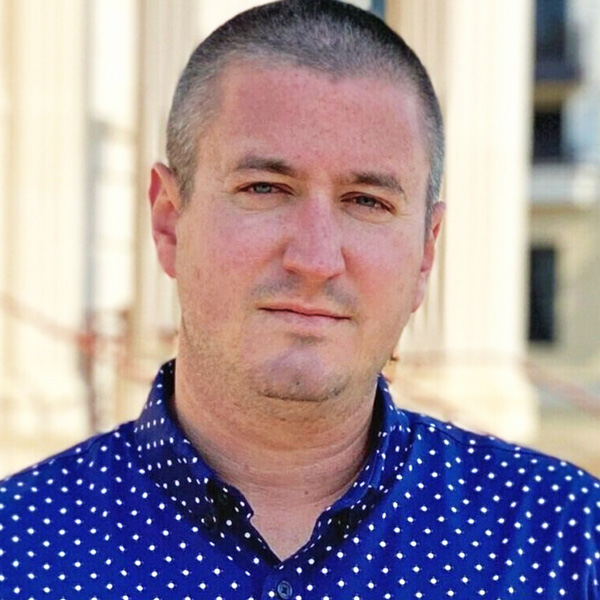
Matt Black
Coordinator
John Mapes

Clif Walker
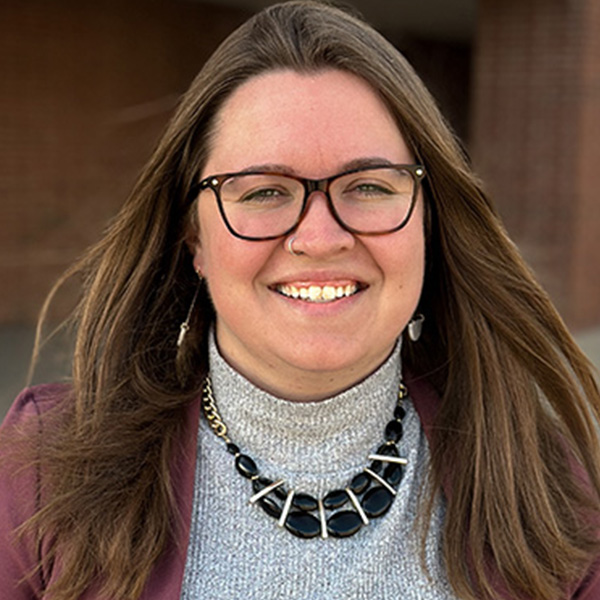
Dr. Ashley Summerlin

Dr. Lane Summerlin
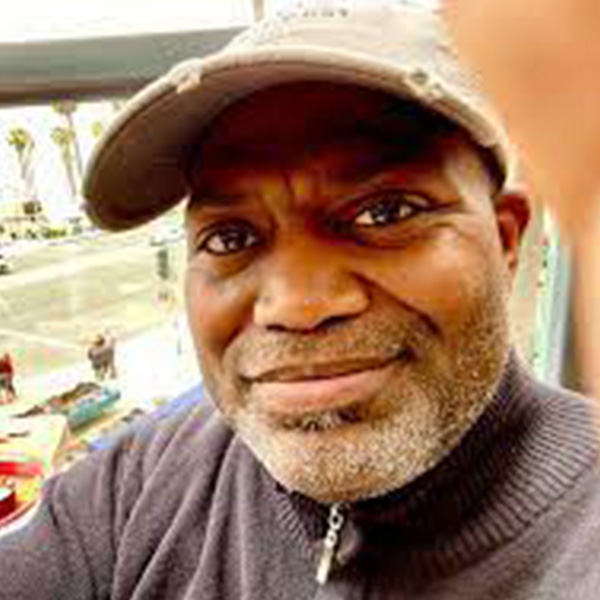
Tony Lymon

Cristian Good

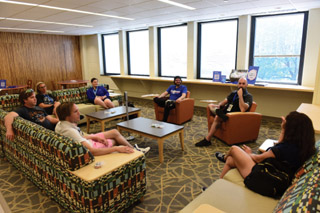
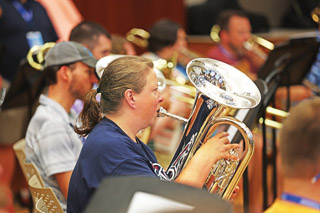
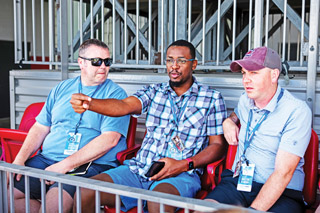
What are participants saying about the Percussion Specialist Academy?
Scholarships from Sweetwater and this camp made it possible for my rural Title I students to attend. Their growth and the impact on our band program have been incredible.
Please continue this invaluable support! The Director Academy transformed my teaching and marching instruction, positively impacting student success.
This camp provided invaluable reflection and insights to better serve my band next year. It’s an unmatched resource for learning techniques, strategies, and tools to improve any band program.
The DA offers an inspiring community of colleagues and clinicians. Spending a week surrounded by passionate, like-minded professionals keeps me returning year after year.
The Director Academy is the best professional development. Sessions are practical, high-quality, and tailored for new and experienced educators. Worth every penny!
Connect with top educators to improve your program and student success. The one-on-one guidance and flexibility to explore diverse topics make this camp invaluable.
The DA is packed with incredible clinics, expert educators, and hands-on experiences. It left me recharged and ready for another amazing year of teaching music.
This camp offers flexibility to explore diverse topics, shadow student sessions, and connect with top music educators and designers. An unbeatable opportunity to grow.
Master educators share practical, actionable insights in a supportive environment. The Director Academy blends learning and networking to inspire and empower educators at every level.
The DA provides outstanding professional development, performance opportunities, networking, and hands-on training. It’s perfect for educators seeking fresh ideas and inspiration.
Encouraging, world-class, and accessible—the Director Academy’s one-on-one sessions let you connect with experts and refine your skills. It’s the best professional development experience!
This camp recharges educators with collaborative energy, practical tools, and inspiration. It’s a transformative experience that keeps me coming back.
The best way to connect with top educators, learn actionable strategies, and ensure a successful year ahead. A must-attend for professional growth!
Networking at CGIA is incredible. Directors share solutions and experiences from unique perspectives. The openness and acceptance make it an invaluable community.
As a first-year director, the CGIA transformed my approach to teaching. The classes, instructors, and community are invaluable for growth, fostering a sense of belonging and inspiration.
This camp is life-changing! Faculty and staff are welcoming and supportive. There are countless options for growth, from observing high school tracks to director sessions.
There’s so much to learn! You’ll want to return every year. This camp reshaped my philosophy on movement. I now feel confident in making visual choices and advocating for them effectively.
Professional development at CGIA is unmatched! For color guard directors, it offers high-level, tailored learning that benefits instructors at every level, regardless of guard size or class.
